
Sustainable Living: How Tiny Homes Contribute to Eco-Friendly Living
The Rise of Tiny Homes
Tiny homes have gained popularity as a sustainable living solution, offering an eco-friendly alternative to traditional housing. By minimizing space and maximizing efficiency, these compact dwellings help reduce the carbon footprint while promoting a simpler lifestyle. The movement towards tiny homes is not just a trend; it’s a conscious choice for those seeking to live more sustainably.
One of the main attractions of tiny homes is their reduced environmental impact. Building a smaller home requires fewer materials, resulting in lower energy consumption during construction. Additionally, tiny homes often incorporate sustainable materials and innovative design techniques, further contributing to their eco-friendly appeal.
Energy Efficiency in Tiny Homes
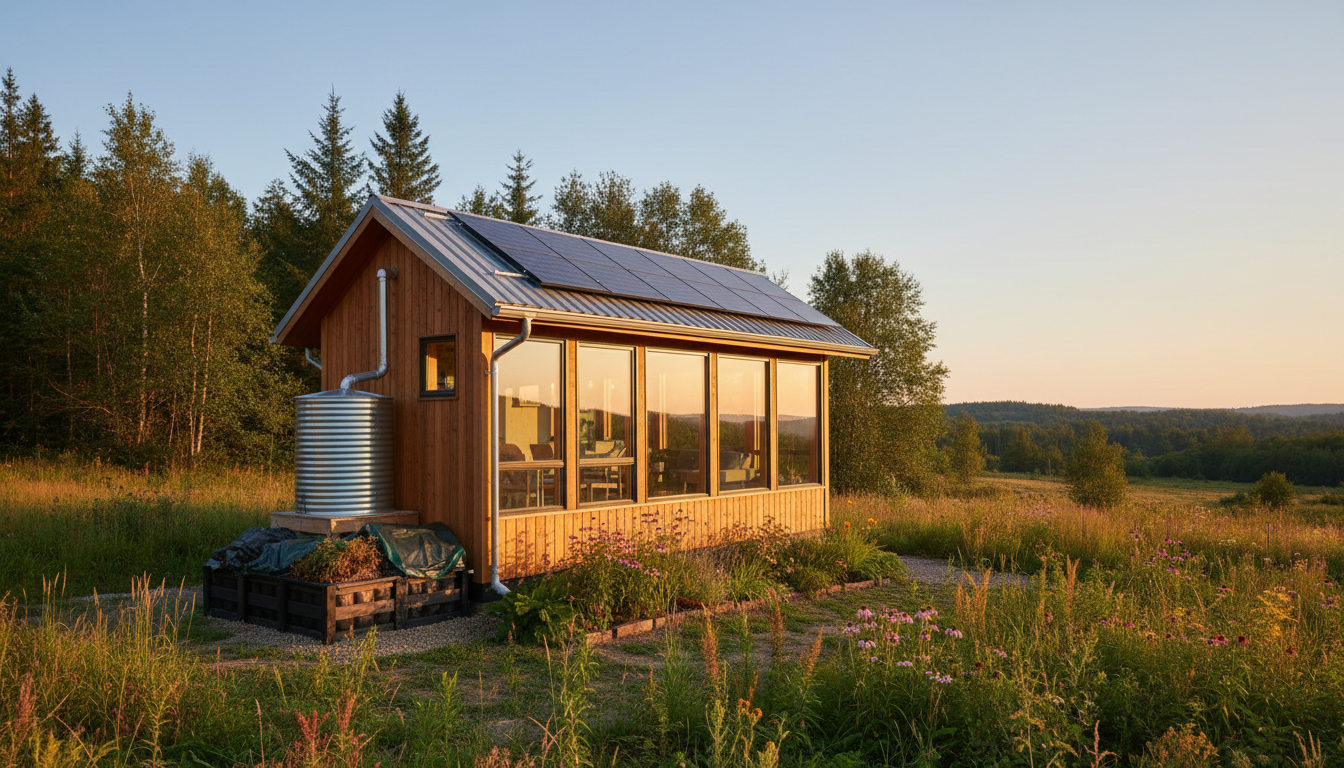
Tiny homes are designed to be energy-efficient, often utilizing renewable energy sources such as solar panels. The compact size of these homes means less space to heat and cool, resulting in reduced energy usage. Many tiny homeowners invest in energy-efficient appliances and smart home technology to optimize their energy consumption even further.
Moreover, the use of natural light is maximized in tiny homes, reducing the need for artificial lighting. Strategically placed windows and skylights enhance natural illumination, creating a bright and welcoming environment while cutting down on electricity use.

Water Conservation
Water conservation is another significant aspect of sustainable living in tiny homes. These homes often feature low-flow fixtures and composting toilets, which significantly reduce water usage. Rainwater harvesting systems can also be integrated to collect and reuse rainwater for non-potable purposes such as irrigation.
By implementing these water-saving measures, tiny homeowners contribute to the preservation of this vital resource, ensuring they live in harmony with the environment.
Minimalism and Reduced Waste
Adopting a minimalist lifestyle is inherent to living in a tiny home. With limited space, residents are encouraged to declutter and prioritize essentials, leading to a reduction in waste. This minimalistic approach not only benefits the environment but also promotes mental well-being by reducing the stress associated with material excess.
Living with less encourages individuals to make more conscious purchasing decisions, focusing on quality over quantity. This shift in mindset supports sustainable consumption patterns and reduces the overall demand for mass-produced goods.

Community and Connection
Many tiny home dwellers are part of larger communities that share resources and support sustainable living practices. These communities often promote shared spaces, such as gardens and workshops, fostering a sense of connection and collaboration among residents.
By participating in these communities, individuals can share knowledge, tools, and resources, further reducing their environmental impact and enhancing their sustainable living efforts.
Conclusion
Tiny homes are more than just a housing option; they represent a commitment to sustainable living. By embracing energy efficiency, water conservation, and minimalism, tiny home residents significantly reduce their environmental impact. As this movement grows, it offers a promising path towards a more sustainable and eco-friendly future.
Whether you're considering downsizing or simply looking for ways to live more sustainably, the tiny home lifestyle provides valuable insights and inspiration for reducing your ecological footprint.
mycocoonhomes.com