Top 5 Myths About Tiny Homes: Debunked
Understanding the Tiny Home Movement
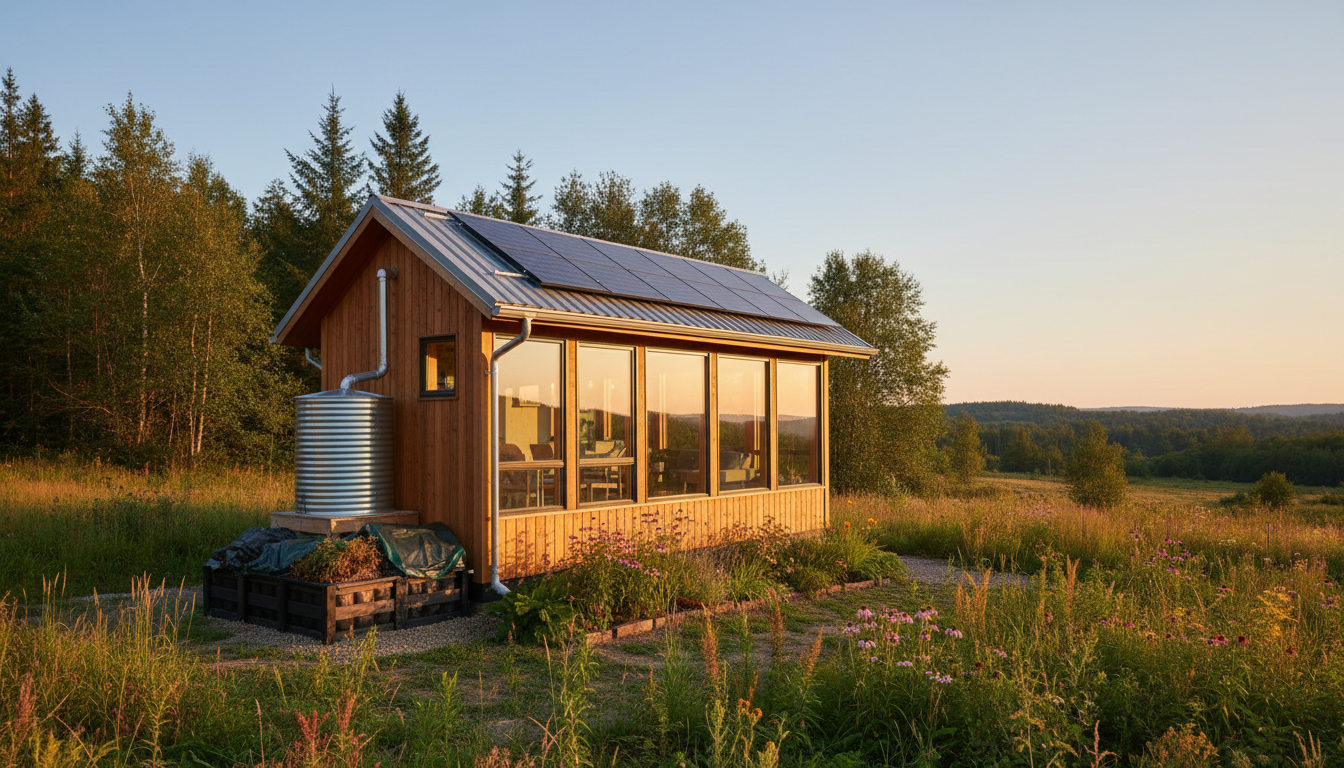
The tiny home movement has gained significant momentum in recent years as more people are drawn to the idea of downsizing and simplifying their lives. However, with its rising popularity, several myths and misconceptions have also emerged. In this post, we'll debunk the top five myths about tiny homes, offering a clearer picture of what tiny living truly entails.
Myth 1: Tiny Homes Are Too Small to Live Comfortably
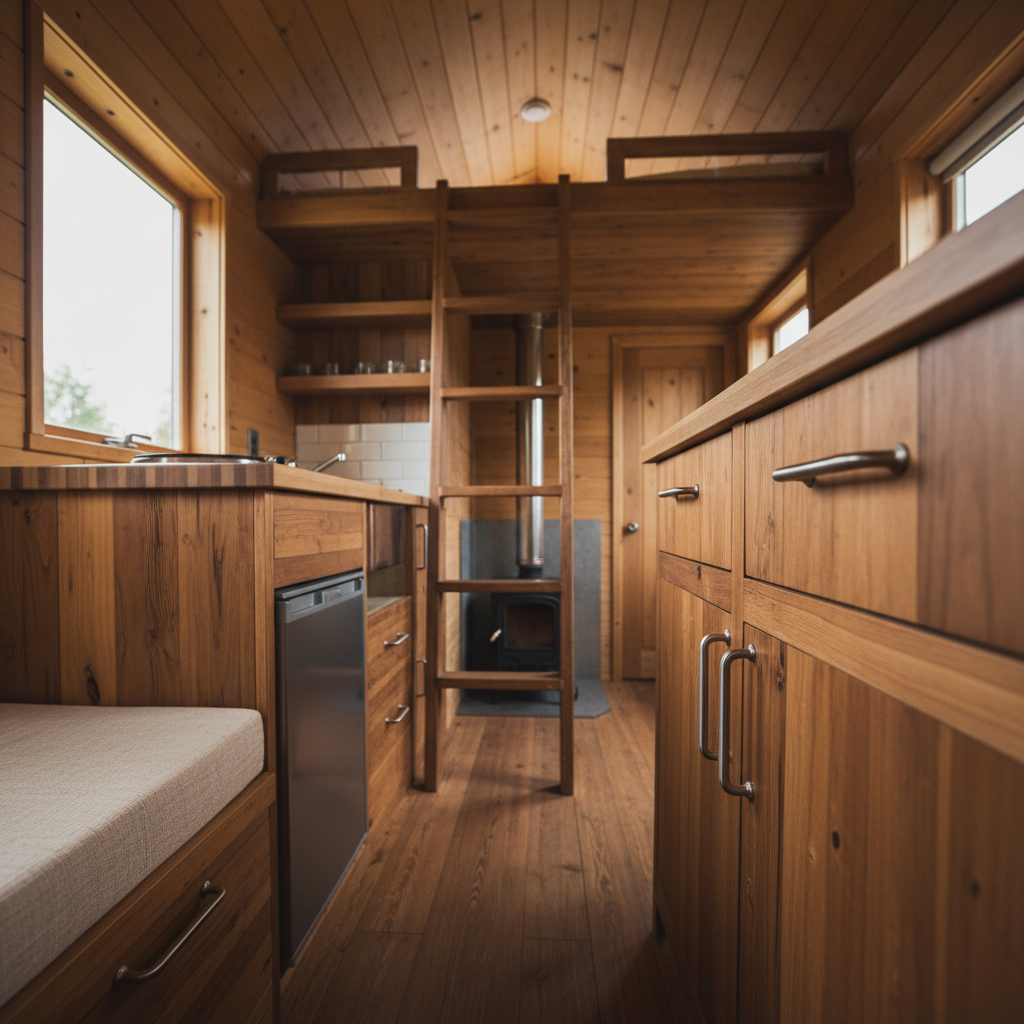
One of the most common myths about tiny homes is that they are too cramped for comfortable living. While it's true that tiny homes are significantly smaller than traditional houses, smart design and efficient use of space can make them surprisingly livable. Many tiny homes are equipped with multifunctional furniture, creative storage solutions, and open layouts that maximize space.
Moreover, the focus on minimalism encourages occupants to prioritize what truly matters, creating a less cluttered and more serene environment. For many, the coziness of a tiny home is a major selling point, offering a sense of intimacy and connection with the space.
Myth 2: Tiny Homes Are Only for the Young and Single
Another misconception is that tiny homes are only suitable for young, single individuals. In reality, tiny homes cater to a diverse range of people, including couples, families, and retirees. Many empty nesters choose tiny homes as a way to downsize after their children have moved out, while some families embrace tiny living to focus on spending quality time together and reducing their ecological footprint.
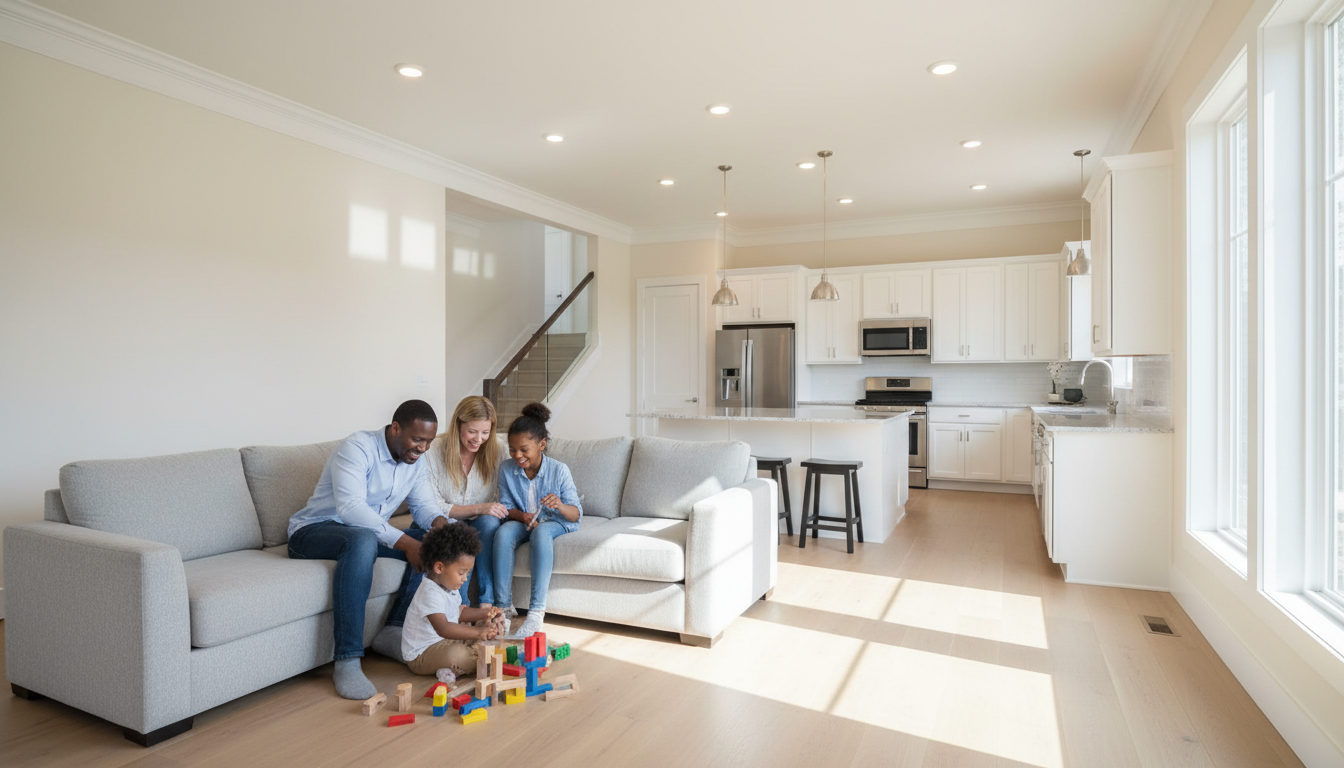
The adaptability of tiny homes allows for customization to meet various needs, whether it's adding lofts for children, creating multi-purpose rooms, or designing accessible features for seniors.
Myth 3: Tiny Homes Are Not Durable
Some people question the durability of tiny homes, thinking they may not withstand weather conditions or time. However, many tiny homes are built with high-quality materials and craftsmanship that ensure longevity. They often incorporate sustainable building practices and materials that enhance their durability.
It's important to choose a reputable builder and ensure that the construction meets safety standards. With proper maintenance, a tiny home can be as durable as a traditional house.
Myth 4: Tiny Homes Are Not Financially Viable
There is a belief that tiny homes are a poor financial investment. While it's true that tiny homes may not appreciate in value like traditional real estate, they offer a different kind of financial benefit. The lower cost of living, reduced utility bills, and minimal maintenance costs often result in significant savings over time.
Additionally, many people use tiny homes to achieve financial independence, allowing them to save money or invest in other areas, such as travel, education, or retirement.
Myth 5: Tiny Homes Are Just a Passing Trend
Finally, some skeptics view tiny homes as a fleeting fad. However, the movement reflects a broader shift towards sustainability, minimalism, and intentional living. As more people become aware of environmental issues and seek to simplify their lives, the appeal of tiny homes continues to grow.
While tiny living may not be for everyone, it offers a viable lifestyle choice for those looking to embrace a more sustainable and fulfilling way of life.
In conclusion, tiny homes are more than just a trend; they represent a meaningful lifestyle change for many. By debunking these myths, we hope to shed light on the true potential of tiny homes and inspire more people to consider this innovative way of living.
Go to mycocoonhomes.com to learn more